Ambergris identification guide
Beachcombing along the coasts of New Zealand can lead to extraordinary discoveries. Ambergris, often dubbed floating gold, is highly prized but frequently mistaken for common shoreline debris. Use our guide to understand the signs, run simple preliminary checks, and learn how to get your find verified by us.
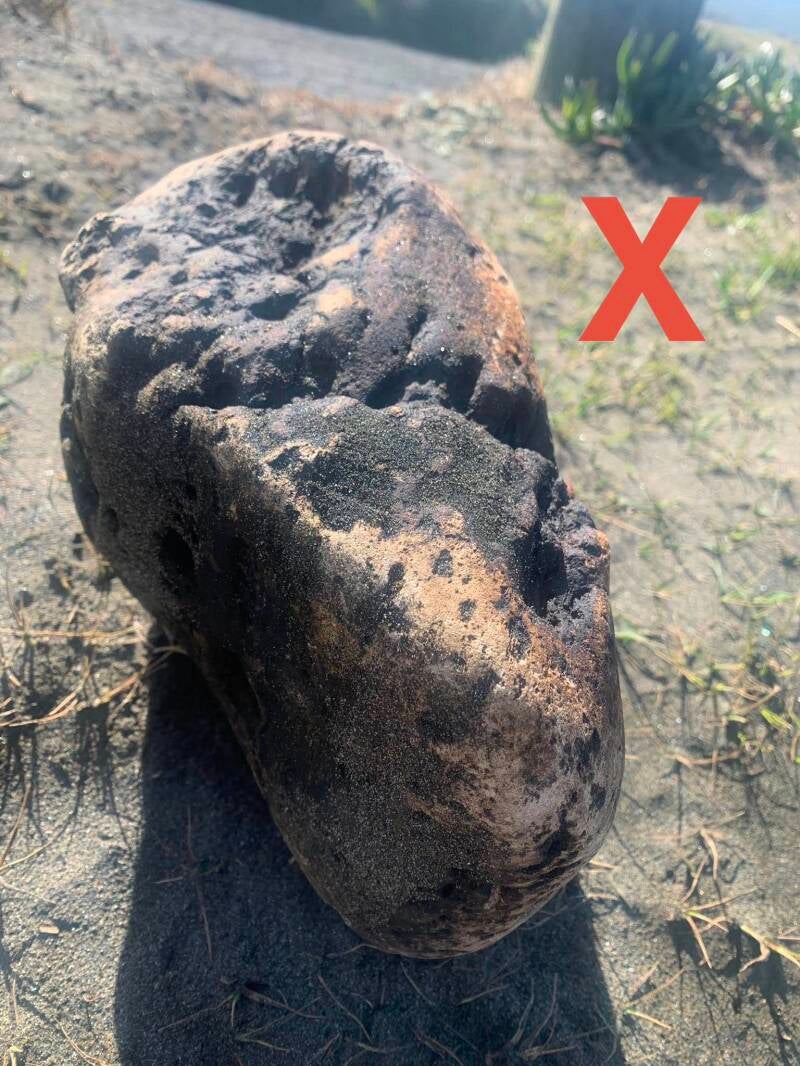
MARINE SPONGEs
- Earthly coloured - orange, grey, brown when fresh. Older dried sponges will be white or cream coloured with a spongy texture and strong bad smell .
- Will not melt to a liquid when a hot needle is applied.
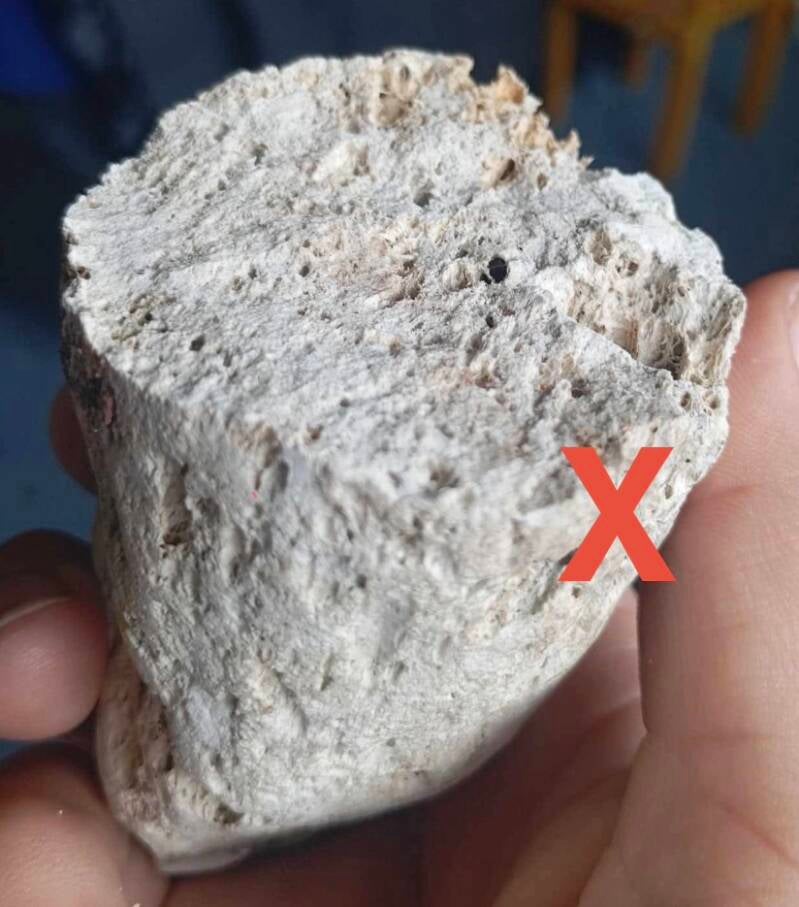
PUMICE
- Most often white, light and porous
- Hard rough texture and can be cut or broken apart easily
- Will not melt to a liquid when a hot needle is applied.

FAT / LARD
- Often white in colour with small black streaks which are often mistaken for squid becks
- Texture is waxy and sometimes shiny with inside smooth
- Will melt to a liquid when a hot needle is applied.BUT will not leave a clinging melted residue or smell sweet and musky
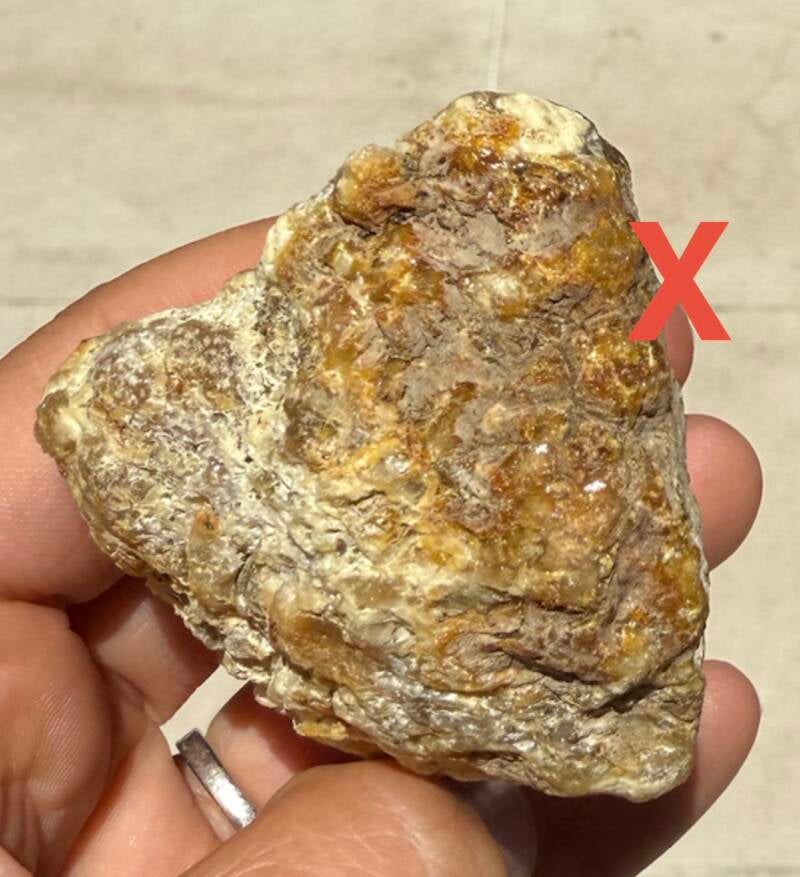
TREE GUM
- Often yellow to dark golden brown. It may also have a white coating if it has been in the ocean for along period of time.
- Has a hard texture and glossy inside. May also have a smell sweet
- Will not melt to a liquid when a hot needle is applied.

AMBERGRIS
- This is Ambergris. Congratulations on your find contact us for a positive identification.
- Will melt to a liquid when a hot needle is applied and leave a clingy residue. It will emit white sweet scented smoke.
Frequently asked questions
Everything you need to know about spotting, testing, and confirming genuine ambergris
Think you have found ambergris?
Send us clear photos of your beach find today. As trusted buyers and sellers across New Zealand, we offer expert appraisals and reliable advice.